 Berto Filma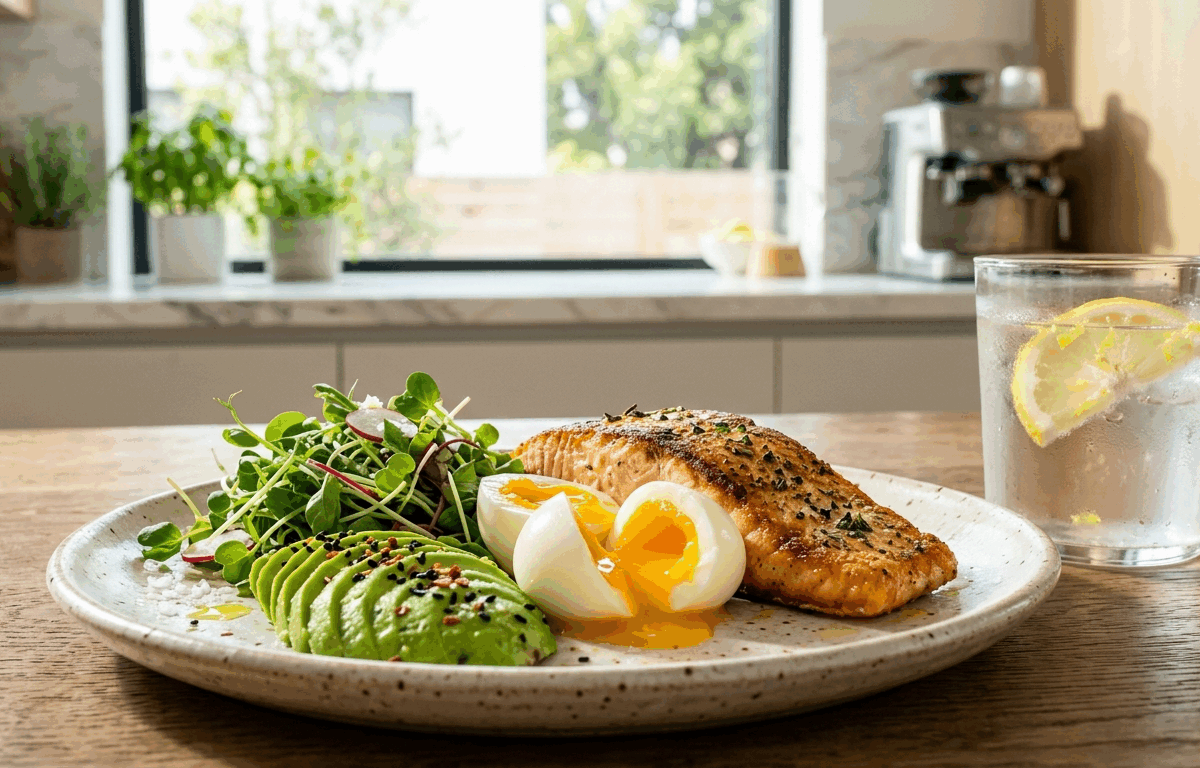
The End of the “Most Important Meal” Myth For decades, we were told that breakfast is the most important meal of the day. Modern nutritional science, however, suggests that what and when you eat is far more critical than the act of eating itself. This article explores how a scientifically structured breakfast can optimize your insulin sensitivity and set your metabolic “thermostat” for the next 24 hours.
Regulating the Cortisol Spike When you wake up, your body naturally releases cortisol to provide energy. Consuming a high-sugar breakfast (like cereal or white toast) immediately causes an insulin spike that clashes with this cortisol, often leading to a “mid-morning crash.” A high-value breakfast strategy focuses on stabilizing blood glucose through healthy fats and high-quality proteins.
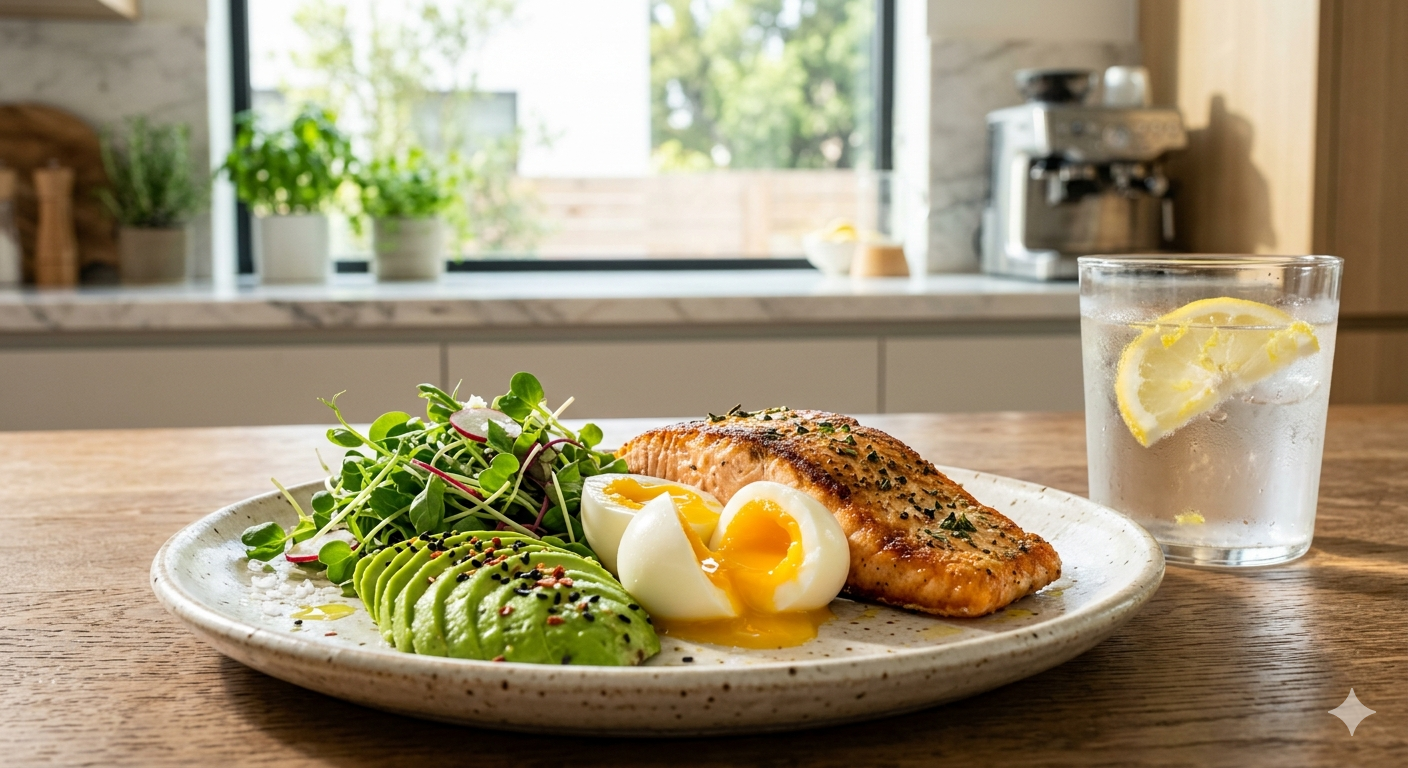
The Protein-First Protocol Recent clinical studies suggest that consuming at least 30 grams of protein during breakfast significantly reduces ghrelin (the hunger hormone) throughout the day. This is a primary target for the booming “Medical Weight Loss” and “Biohacking” industries. By prioritizing amino acids early, you provide the building blocks for neurotransmitters like dopamine and norepinephrine, improving cognitive focus.
Actionable Breakfast Biohacks:
- Fiber-Starter: Eat a small portion of greens or seeds before your main breakfast to coat the stomach and slow glucose absorption.
- The 90-Minute Rule: Wait 60 to 90 minutes after waking before your first caloric intake to allow natural cortisol levels to taper off.
- Hydration Integration: Consuming electrolytes before coffee to prevent caffeine-induced dehydration.