 Berto Filma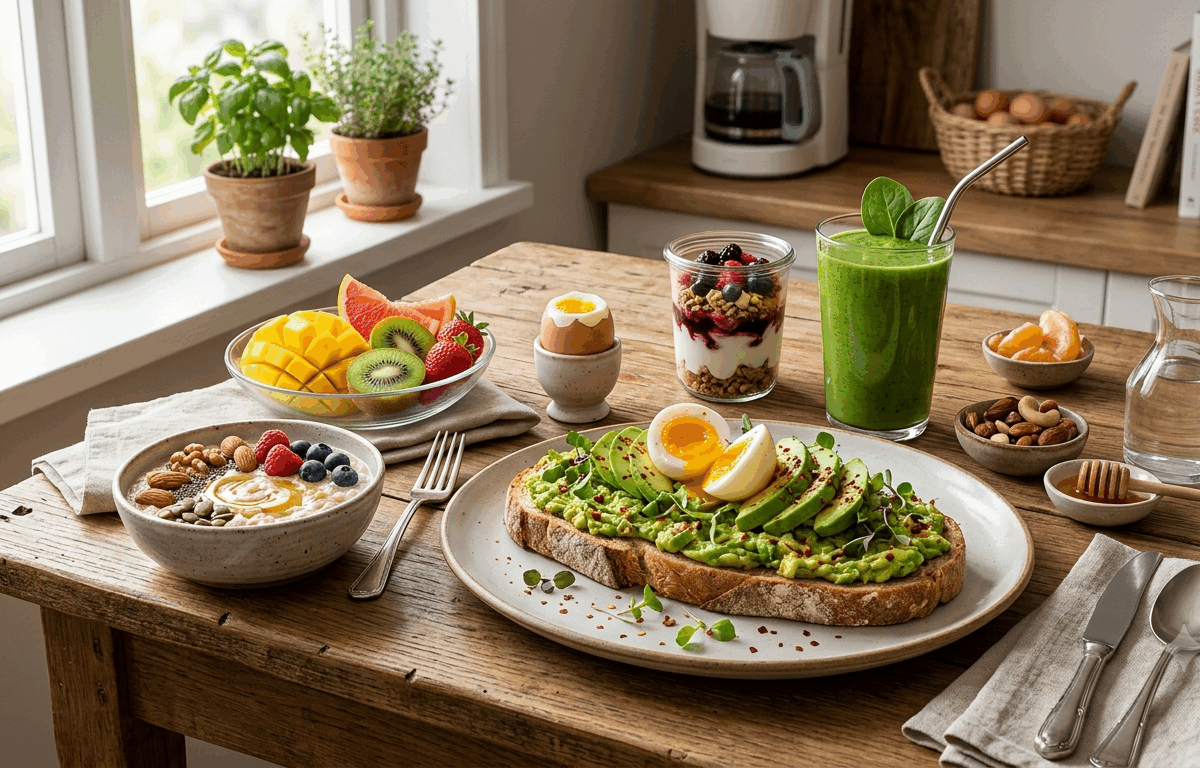
The Ultimate High-Protein Healthy Breakfast Guide: Optimal Meal Prep Recipes, Macro Breakdown, and Science-Backed Energy Boosting
In modern nutrition, breakfast serves as the foundational meal for regulating blood sugar levels, optimizing metabolic health, and maintaining sustained cognitive performance throughout the workday. Skipping breakfast or consuming refined carbohydrates often leads to mid-morning insulin spikes, energy crashes, and increased cortisol release.
By prioritizing high-protein, nutrient-dense ingredients, individuals can enhance muscle protein synthesis, boost satiety hormones (such as GLP-1 and PYY), and sustain mental clarity.
1. The Science of High-Protein Morning Nutrition
Consuming 30 to 40 grams of bioavailable protein within the first hour of waking provides essential amino acids required for cellular repair and neurotransmitter production.
[ Traditional High-Carb Breakfast ] ---> [ Rapid Glucose Spike ] ---> [ Insulin Surge ] ---> [ Energy Crash & Cravings ]

[ High-Protein / Fiber Breakfast ]  ---> [ Steady Blood Glucose ] ---> [ Sustained Energy ] ---> [ Enhanced Focus & Satiety ]
Key Metabolic Benefits:
- Thermic Effect of Food (TEF): Protein has a thermic effect of 20%–30%, meaning your body burns more calories simply digesting protein compared to fats or carbohydrates.
- Ghrelin Suppression: High-protein intake suppresses ghrelin (the hunger hormone) for several hours, preventing unnecessary snacking.
- Stable Blood Sugar Management: Pairing complex fiber with protein prevents rapid glycemic fluctuations, keeping energy levels constant.
2. High-Protein Breakfast Recipes for Busy Executives
These recipes are optimized for quick preparation, ideal macro balances, and long-lasting energy.
| Meal Recipe | Key Ingredients | Macro Profile (Approx.) | Best For |
| Savory Egg & Avocado Power Bowl | 3 Pasture-Raised Eggs, $1/2$ Avocado, Wild Smoked Salmon, Baby Spinach, Pumpkin Seeds | 35g Protein / 28g Fat / 6g Carbs / 6g Fiber | Post-Workout & Ketogenic / Low-Carb Diets |
| Greek Yogurt Superfood Parfait | 1 Cup Plain 0% Whole Greek Yogurt, Chia Seeds, Whey/Plant Isolate, Wild Blueberries, Walnuts | 38g Protein / 12g Fat / 30g Carbs / 8g Fiber | High-Fiber Meal Prep & Gut Health |
| Overnight Protein-Packed Oats | Rolled Oats, Almond Milk, Peanut Butter, Chia, Flaxseeds, Scoop Collagen Peptides | 32g Protein / 14g Fat / 42g Carbs / 10g Fiber | Grab-and-Go Convenience |
3. Step-by-Step Recipe: Savory Smoked Salmon & Egg Bowl
Ingredients (1 Serving):
- 3 large pasture-raised eggs
- 2 oz wild-caught smoked salmon
- $1/2$ medium ripe avocado (sliced)
- 1 cup fresh organic baby spinach
- 1 tablespoon extra virgin olive oil or grass-fed butter
- 1 teaspoon toasted pumpkin seeds (pepitas)
- Salt, black pepper, and red pepper flakes to taste
Preparation Method:
- Sauté the Greens: Heat olive oil in a non-stick skillet over medium heat. Add baby spinach and cook until wilted (approx. 1–2 minutes). Transfer to a serving bowl.
- Cook the Eggs: Soft-scramble or poach the eggs to retain delicate omega-3 fats. Place over the bed of spinach.
- Assemble & Garnish: Arrange the smoked salmon and sliced avocado alongside the eggs. Top with toasted pumpkin seeds and season lightly.
4. Essential Superfood Additions to Elevate Nutritional Density
To maximize micronutrient intake, integrate these organic superfoods into your morning routine:
- Chia & Flaxseeds: Rich in Alpha-Linolenic Acid (ALA) omega-3 fatty acids and soluble mucilage fiber for cardiovascular and digestive health.
- MCT Oil / Powder: Medium-Chain Triglycerides provide immediate ketone bodies for cognitive stamina without requiring complex liver processing.
- Organic Berries: Low-glycemic sources of anthocyanins and antioxidants that protect cells against oxidative stress.